Sparkling ($$) or Tap at Restaurants?

Fizzy Hospitality: Why Restaurants Are Serving Free Sparkling Water to Elevate Dining Experiences

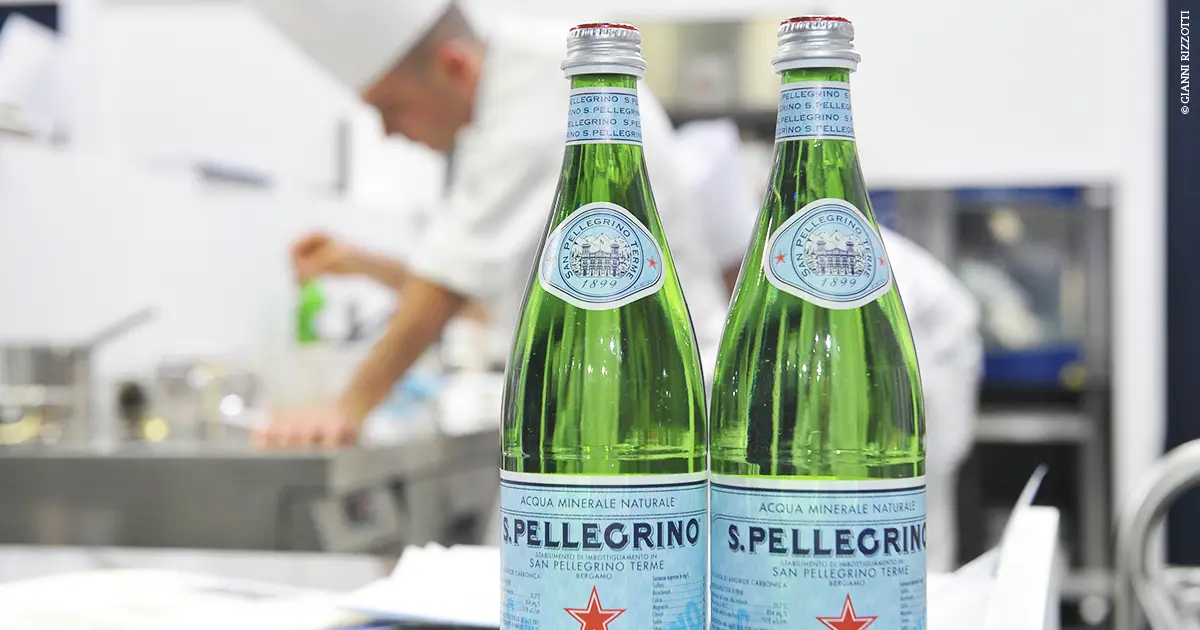
Many restaurants are now offering free sparkling water as part of their service, driven by the rising demand for healthier, calorie-free, and non-alcoholic beverage options. Sparkling water has become a popular choice for health-conscious diners who want an alternative to sugary sodas or alcoholic drinks. By providing complimentary sparkling water, restaurants create a sense of luxury and enhance the dining experience, leaving customers feeling valued and catered to.

This practice is also cost-effective for restaurants. Installing water filtration and carbonation systems is relatively inexpensive and eliminates the need for purchasing and storing bottled beverages. These systems contribute to sustainability by reducing single-use plastic or glass bottles, appealing to environmentally conscious customers. Additionally, offering sparkling water can simplify beverage service and reduce overall costs, as patrons may opt for free water instead of more expensive drinks.

Free sparkling water also aligns with broader trends in hospitality, such as focusing on health, sustainability, and customer satisfaction. Some restaurants incorporate the cost into their menu prices, presenting the sparkling water as an added benefit to justify higher pricing. This approach helps restaurants build goodwill, differentiate themselves from competitors, and meet evolving customer expectations.

Source: Eater – Why Do So Many Restaurants Offer Free Sparkling Water Now?

Questions? Contact us!

How AI is Revolutionizing Our Food Chain

Artificial intelligence (AI) is shaping everything about how it’s produced, served, and sold. With farms, restaurants, and grocery stores adopting AI at a rapid pace, the meals on our tables are increasingly connected to server farms. Here’s a closer look at the impact of AI across the food industry.

AI in Agriculture: Feeding a Growing World

Farmers and ranchers are turning to AI to optimize operations, with government incentives driving adoption. By 2050, the global population is expected to reach 10 billion, requiring 70% more food production, according to the American Farm Bureau Federation. Every innovation counts:

  • AI Tools in Use: Crop-surveying drones, GPS technology, and hands-free combine steering are now common. By late 2021, 87% of agricultural businesses used some form of AI, according to the BBC
  • Cutting-Edge Innovations: John Deere has integrated AI into its equipment for decades, including precision sensors that reduce herbicide spraying by up to two-thirds. Driverless tractors are also on the rise
  • Indoor Vertical Farming: September saw the opening of the world’s first large-scale indoor vertical berry farm in Virginia. AI-driven growth analysis is expected to produce over 4 million pounds of strawberries annually
  • AI for Animal Welfare: European scientists developed an algorithm to interpret pig sounds, aiming to improve animal well-being

AI in Fast Food and Restaurants

Quick-service restaurants are leveraging AI to streamline operations and improve customer experiences:

  • Voice-Activated Drive-Thrus: Yum Brands, which owns Taco Bell, Pizza Hut, and KFC, is deploying voice tech, digital menu boards, and AI-enabled marketing strategies
  • Inventory Management: Wendy’s used Palantir AI tools this summer to manage Frosty supplies during its $1 promotion
  • Shift Optimization: AI-enabled shift scheduling is helping restaurants match labor to demand

AI in Grocery Stores

Behind the scenes, supermarkets are adopting AI to enhance efficiency and anticipate customer needs:

  • Demand Forecasting: Chains like Albertsons and Family Dollar use AI for inventory management and to predict product demand
  • Electronic Shelf Labels: Kroger has implemented electronic labels but faced criticism about their potential for facial recognition-based pricing—allegations the company denies
  • Future Spending: Grocery retailers plan to quadruple their AI spending by 2025, aiming to generate $113 billion in value, according to a recent food industry report

Looking Ahead

From farm fields to supermarket aisles, AI is reshaping every step of the food supply chain. With investments ramping up, its role in ensuring food security, optimizing operations, and enhancing customer experience will only grow.

For more information on how you can leverage AI in your food service operation, reach out to us at info@serveitupsafe.com or contact us through our website!

Courts Block FLSA Overtime Rule Change

A federal judge in Texas has struck down the Biden administration’s 2024 Fair Labor Standards Act (FLSA) overtime rule nationwide. The rule, which aimed to raise the salary threshold for overtime eligibility, was deemed to exceed the Department of Labor’s statutory authority. Key details include:

The 2024 Rule Details:

  • It proposed a two-phase increase to the minimum salary threshold for overtime exemption:
    • Phase 1: Raised the threshold to $43,888 annually ($844 weekly) on July 1, 2024.
    • Phase 2: Planned to increase it further to $58,656 annually ($1,128 weekly) on January 1, 2025.
  • Included automatic updates every three years.

Court’s Findings:

  • The court ruled the rule improperly prioritized salary thresholds over job duties in determining overtime eligibility.
  • The decision builds on a June ruling that blocked the rule’s first phase for public employers in Texas, now extended nationwide.

Current Threshold:

  • The salary threshold remains at the level set in 2019: $35,568 annually ($683 weekly).

Implications for Employers:

  • Employers may delay or reconsider the second salary increase scheduled for January 2025.
  • Rescinding the July 2024 increase is technically possible but may harm employee relations.
  • Employers in states with higher salary thresholds must still comply with local laws.

The ruling leaves open questions about future adjustments to overtime regulations, particularly under a potential Trump administration.

The Restaurant Industry is Looking Up

Despite rising labor and food costs, optimism in the restaurant industry remains strong.

According to Toast’s recent Voice of the Restaurant Industry Survey of ~850 U.S. restaurant decision-makers, 29% of operators are very likely to expand their locations within the next 12 months – a notable rise from 17% in 2022.

Operators are investing in their teams through enhanced training and diversifying revenue channels like delivery, catering, and reservation management – key strategies for meeting changing consumer demands. They’re also embracing technology to streamline operations, with tools such as handheld devices, mobile payments, scheduling software, and voice AI.

While inflation and operational costs remain a challenge, the resilience of the industry is evident, with total restaurant sales expected to top $1.1 trillion in 2024. This outlook signals not only endurance but an ongoing evolution in how restaurants engage with customers and optimize their operations.

Contact us at info@serveitupsafe.com if your team is expanding and needs a reliable food safety training or alcohol training provider!